Oversikt over kredittkort som tilbyr bensinrabatt


Med moderne kredittkort får man tilgang til mange fordeler, deriblant rabatt når man fyller drivstoff og bensin på norske bensinstasjoner. Men hvor mye du sparer med de ulike kortene er svært varierende, og derfor kan du helt sikkert spare mye penger på å bytte til et kredittkort som har bedre bensinrabatt. Eller har du kanskje ikke et slikt kort i det hele tatt? Vi gir dg oversikten over kredittkort som tilbyr bensinrabatt.
365Privat MasterCard
Et av de mest populære kredittkortene med bensinrabatt. Her sparer man 3,65 prosent av pumpeprisen, uansett hvilken kjede man velger å fylle tanken hos. Det tilsvarer en bonus på over 50 øre/literen når bensinen koster 15 kroner. I tillegg får du 30 øre i ekstrabonus hvis du fyller hos Esso, som gjør at man kan spare over 80 øre per liter bensin med 365 Privat MasterCard.
Cresco Car
Et godt alternativ for deg som vil ha fleksibilitet og ikke vil binde deg til en spesifikk kjede. Med Cresco Car sitt kredittkort får du 3% rabatt på all bensin uansett hvilken kjede du fyller hos. I tillegg får du også 1% rabatt på alle øvrige kjøp over hele verden. Verdt å nevne er at du kan spare maksimalt 1500 kroner per kalenderår med dette kredittkortet.
Shell MasterCard
Er du dedikert Shell-tanker, så anbefaler vi kredittkortet Shell MasterCard. Her får du nemlig faste 40 øre/literen i bonus når du fyller bensin på en Shell-stasjon. I tillegg får du 1% bonus på alle andre kjøp over hele verden, i tillegg til gode rabatter på Shell på alt fra pølser til bilvask. Det perfekte kort for enhver Shell-bilist.
Statoil MasterCard
 Er det derimot Statoil som er din leverandør av drivstoff, så skal du skaffe deg et Statoil MasterCard. Bensinbonusen er ikke like bra her, da du må fylle relativt mye for å få en bonus på 30 øre/literen. «Vanlige kunder» får kun 20 øre/literen, noe som ikke er spesielt høyt. Allikevel byr kredittkortet på flere bonuser og fordeler for den lojale Statoil-kunde.
Esso MasterCard
Så har vi Esso sitt kredittkort da, som tilbyr deg faste 30 øre i rabatt når du fyller bensin på en Esso-stasjon. Sammenligner vi med 365Privat MasterCard får du altså samme Esso-rabatt, minus de 3,65 prosentene. Men dette kredittkortet gir deg også andre rabatter hos Esso, på alt fra bilvask til fyringsolje og så videre.
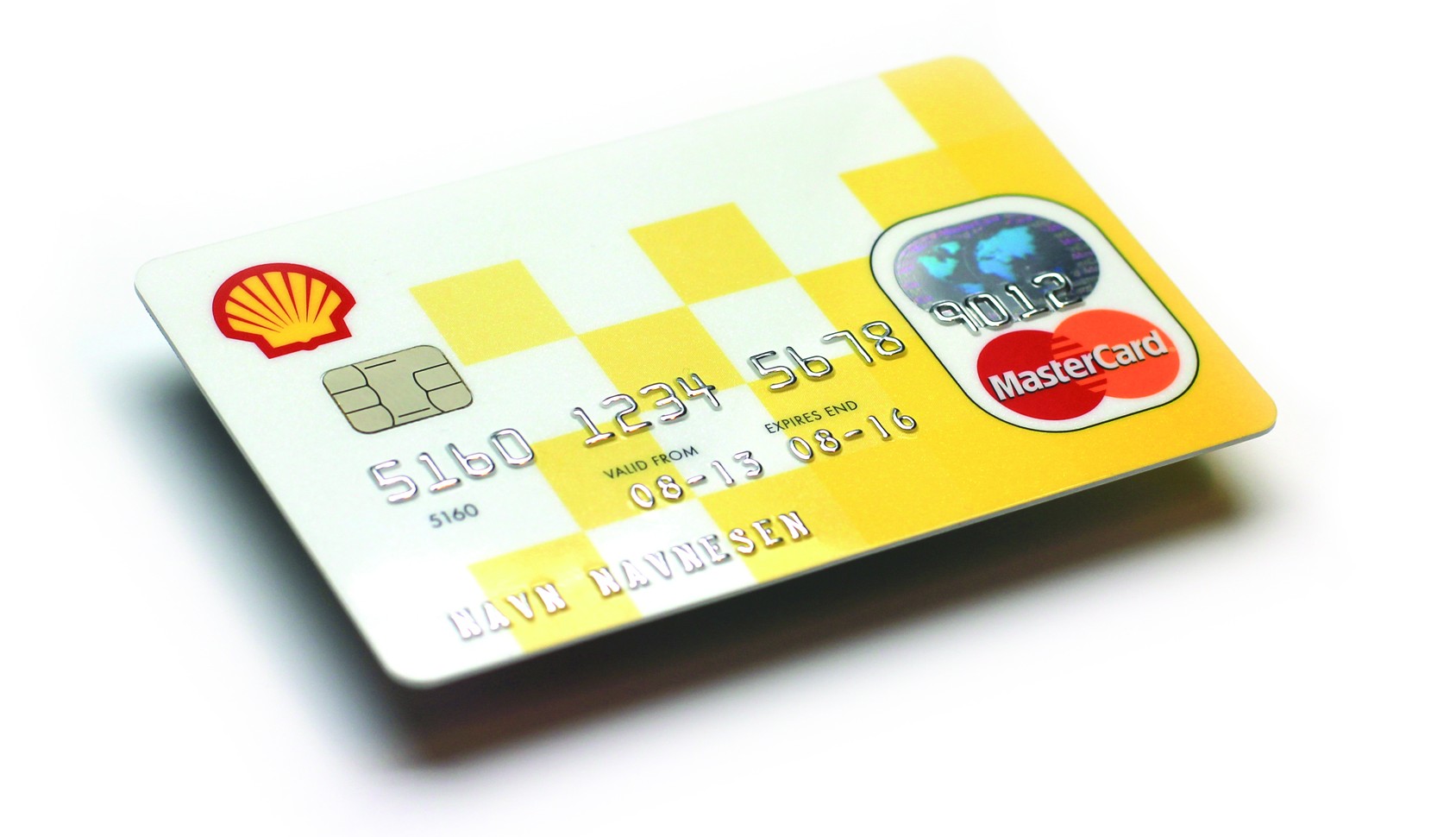
 Fordelene med Shell MasterCard ligger i bonusprogrammet. Her får du nemlig faste 40 øre i rabatt når du fyller tanken hos Shell, samt en rekke andre rabatter gjennom kampanjer og sesongbaserte tilbud hos bensinstasjonene. I tillegg får du 1 prosent bonus på alt du handler over hele verden, slik at du kan spare en god del penger dersom du bruker kredittkortet aktivt. Du får også tilgang til Ikano Banks fordelsprogram, der du blant annet sparer penger på hotell, leiebil, handel i nettbutikker og så videre.
 Du kan også spare penger dersom du legger om til å bruke et kredittkort fremfor et bankkort. Mange kort har nemlig bonusprogrammer som kalles for
 Det er vanskelig å si hvor mye man eksakt kan spare på refinansiering av forbrukslån, men generelt så vil det være snakk om betydelige beløp. Spesielt hvis du har mange smålån med høy rente, så vil det lønne seg å samle alle disse lånene under et nytt og billigere lån. Kanskje sparer du mellom 500 til 1000 kroner hver eneste måned, og disse pengene kan du spytte rett inn i avdrag fremfor renter. På denne måten så vil et lån med en antatt nedbetalingstid på 5-6 år kunne bli redusert til 3-4 år – og det er det som gjør at refinansiering av forbrukslån er gull verdt.
 Mange av låneformidlerne på markedet er også behjelpelig med å gi deg som kunde råd og hjelp. De har ofte godt lesestoff på siden sin, der du kan lære deg ulike begreper og forstå hva som ligger bak et forbrukslån. I tillegg kan du få en uhildet tredjepart, som kan veilede deg med hensyn til størrelse på lånet, nedbetaling og hvilket tilbud du bør velge. Låneformidlere tar ikke betalt av deg og de jobber alltid med flere banker. Lønnen deres består i at bankene gir dem en provisjon for hver enkelt nye kunde, som formidles banken.
 Det siste og femte anbefalte forbrukslånet med høy lånegrense er forbrukslånet fra